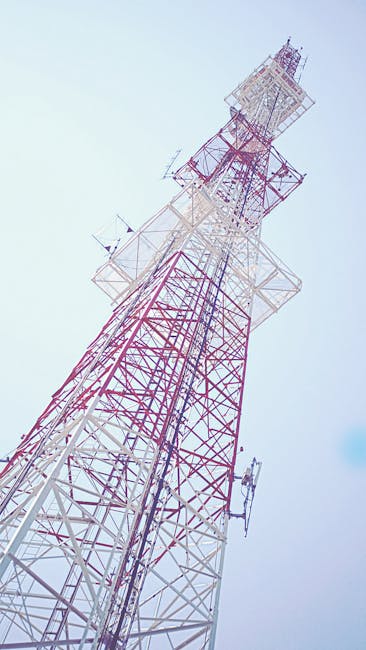
 Recognizing Wireless Equipments: The Future of Connectivity
In today’s busy digital world, wireless systems have actually ended up being an indispensable part of our lives. From smartphones and laptop computers to smart home gadgets, the reliance on wireless innovation has escalated drastically over the previous years. This fast evolution not only enhances communication however also boosts the general customer experience, permitting seamless connections across various applications. In this post, we will delve into what cordless systems involve, their types, benefits, obstacles, and their future in a quickly progressing technical landscape.
Wireless systems largely entail the transmission of information over a range utilizing electromagnetic waves instead of wired connections. These systems can be identified into a number of types, including Wi-Fi, Bluetooth, cellular networks, and satellite communication. Each type serves an unique purpose and operates on particular regularities to help with interaction. For instance, Wi-Fi networks are generally made use of for lan connectivity, while cellular networks enable mobile communication over large ranges, accommodating numerous customers at the same time.
The benefits of wireless systems are manifold. To start with, they supply unrivaled convenience, allowing individuals to gain access to info and solutions from practically anywhere without being connected to a physical connection. This adaptability has actually caused the rise of mobile computer and the Internet of Points (IoT), where daily objects are interconnected, enhancing performance and customer experience. Moreover, cordless systems frequently reduced installation prices and simplify network monitoring, making them an eye-catching alternative for organizations and individuals alike.
Despite their numerous benefits, wireless systems additionally deal with obstacles such as safety and security problems and signal disturbance. The open nature of cordless communication makes it prone to unauthorized access and information violations. Consequently, it is critical for users and organizations to execute durable protection steps, such as encryption and VPNs, to secure their data. Additionally, variables like physical blockages, range, and environmental conditions can lead to indicate deterioration, impacting the reliability of wireless communications.
Looking in advance, the future of cordless systems appears intense, driven by recurring advancements in innovation. With the rollout of 5G networks, customers can anticipate considerably quicker speeds, lower latency, and boosted connection for an ever-growing number of tools. This will certainly pave the way for technologies in areas such as autonomous automobiles, telemedicine, and wise cities, positioning wireless systems as the foundation of the linked globe. As innovation remains to advance, so will certainly the capabilities of cordless systems, ultimately improving the way we connect and interact with our surroundings.
To conclude, cordless systems are not just a fleeting trend however a basic aspect of modern-day connectivity. Via recognizing their kinds, benefits, and difficulties, people and companies can better value their relevance in today’s electronic landscape. As we progress towards an extra interconnected future, welcoming wireless innovation will certainly be crucial to unlocking brand-new possibilities and improving our everyday lives.
